


By Marylin Smith Carsley
A cancer diagnosis can be isolating, which is why support groups are so essential to the recovery process. The promise of support enables individuals to accept their diagnosis, and embark on the emotional and physical path of treatment.
Hope & Cope’s support groups offer a safe space to share feelings, fears and concerns surrounding their diagnosis and treatment. These groups bring together individuals with similar challenges and gives them a platform to speak candidly and confidentially about their experiences.
Support groups are led by volunteer facilitators, integral Hope & Cope team members who have been trained to address the sensitive subject of illness, and who help guide the conversation in a purposeful way. Facilitators are chosen for their ability to listen well; they do not bring judgment to the group, but rather empathy, information, and occasionally, they share their personal experience with illness and recovery.
According to Hope & Cope’s Oncology Program Coordinator, Hinda Goodman, “Our support groups provide a safe place where everything is confidential.” She explains that the facilitators are highly trained through Hope & Cope’s specially designed manuals and continuing education workshops.
Inevitably, COVID-19 altered the format and location of support group meetings. Government mandates forced the Wellness Centre to close temporarily, but the Hope & Cope team quickly adjusted by holding support groups remotely. While virtual is not necessarily as effective as in-person, Hope & Cope recognized the urgency of continuing to connect patients to our services and to each other throughout the pandemic. This helped them cope with cancer and maintain their emotional well-being in the midst of a global health crisis.
 Donna Kuzmarov has served as a Hope & Cope support group facilitator for over two years. Donna’s experience as a psychologist equipped her with the skills necessary to lead group meetings. Although her professional area of expertise lies in bereavement, Donna became involved with Hope & Cope to make a difference in the lives of those coping with cancer. “The group meets for an hour-and-a-half every second Friday,” Donna explained. “Everyone is in charge and I do the monitoring and recommending. It is open- ended and everyone helps everyone. We begin with updates and then discuss ways of dealing with varied issues. We also discuss wellness, fears post-treatment and moving on. It is all about ridding everyone of that loneliness of the disease.”
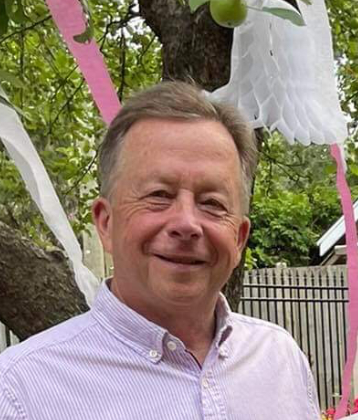
Support group facilitator Paul Dubé meets with the Men’s Club group of cancer patients once a month to share concerns and emotions. Throughout the summer months, this group met in person in the Wellness Centre garden, but began meeting remotely once the weather turned colder. For Paul, an important element is steering the conversation to meet everyone’s needs. “I have been doing this for approximately two years and having experienced cancer myself, I know how the men are feeling. I ask questions, discuss current treatments, and focus on building morale.”
Support groups provide individuals with a sense of hopefulness, which can sometimes be hard for patients to summon in the midst of a major health crisis. Clearly, Hope & Cope’s support group program helps foster a sense of community amongst those with cancer.


