


There is no doubt that the COVID-19 pandemic has affected all sectors of human endeavour. The same goes for Hope & Cope, an organization that has always been focused on providing in-person support to patients with cancer. Since last March, we have faced a huge challenge: how to support patients during this time of confinement and isolation.
Hope & Cope’s unique response to the constraints posed by COVID-19 was to create an Outreach Team that provides telephone support for patients in treatment. In an interview with Volunteer Voices, two volunteers discussed their experience with this new team.
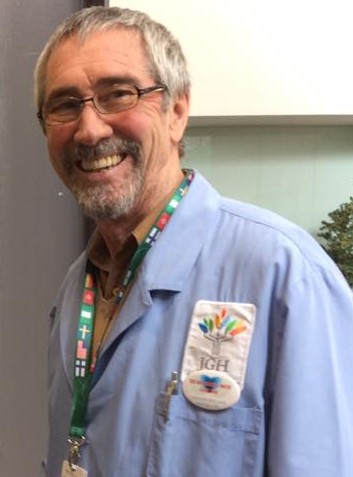
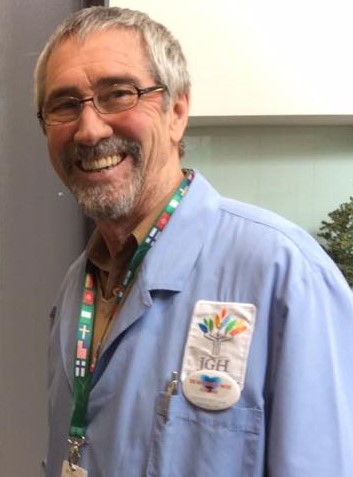 Michel Robert-de-Massy became involved with Hope & Cope in 2015 after recovering from throat cancer. Prior to the pandemic, as a volunteer in Radio-oncology, he supported patients and their caregivers during their six-week treatment periods. Michel helped them navigate the maze of procedures and tests, shared his experiences where appropriate and helped reduce their anxiety. “I gave them a cup of coffee and answered their questions. But more importantly, I supported them through active listening. I understood what they were going through because I had lived through it myself,” Michel explains.
When the pandemic turned everything upside down, Michel was given a list of four patients to contact. Although skilled at initiating face-to face conversation gently and tactfully, Michel admits that doing so over the phone can be challenging. “You have to know how to start a conversation by finding an interesting subject,” he says. “Some patients are reticent to open up while others are easier to reach.” If he senses a high level of distress or heightened anxiety that requires more specialized intervention, he refers the patients to Hope & Cope’s clinical staff for follow-up.
Although it is too early to draw conclusions about his experience with the Outreach Team, Michel believes it is a worthwhile service. “The challenge is to break through the patient’s initial hesitation and build a connection” Michel notes. “It’s hard, but patients often need to talk.”
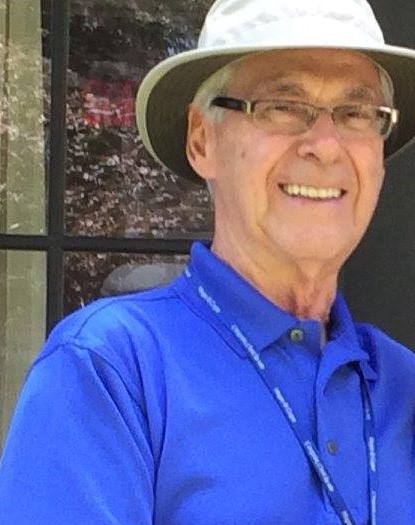 Yvon Patry is a prostate cancer survivor and 12-year veteran volunteer with Hope & Cope. In addition to volunteering in Radio-oncology, Yvon founded the Men’s Club. For several years, he facilitated these monthly get-togethers for male cancer patients.
Before COVID-19, Yvon came to the hospital once a week to support patients undergoing radiotherapy treatments. “I always enjoyed answering their questions, connecting them with the appropriate resources and helping them through this difficult time in their lives,” says Yvon.
Today, Yvon finds himself in the same role, albeit from a distance. He admits that the relationship is not the same over the phone as it is face-to-face. “You miss the little things like non-verbal cues, but there are ways to get around that.” Yvon knows how to engage patients in conversation, how to reassure them and how to listen to their concerns. “Some patients are well supported but others are alone and their isolation causes a great deal of stress,” notes Yvon. He adds that regardless of the format, certain skills remain constant, including active listening, compassion and the desire to help.
For Yvon, what also remains the same are the intrinsic rewards of volunteering, chief among them, gratitude and the warmth of human interaction.


