


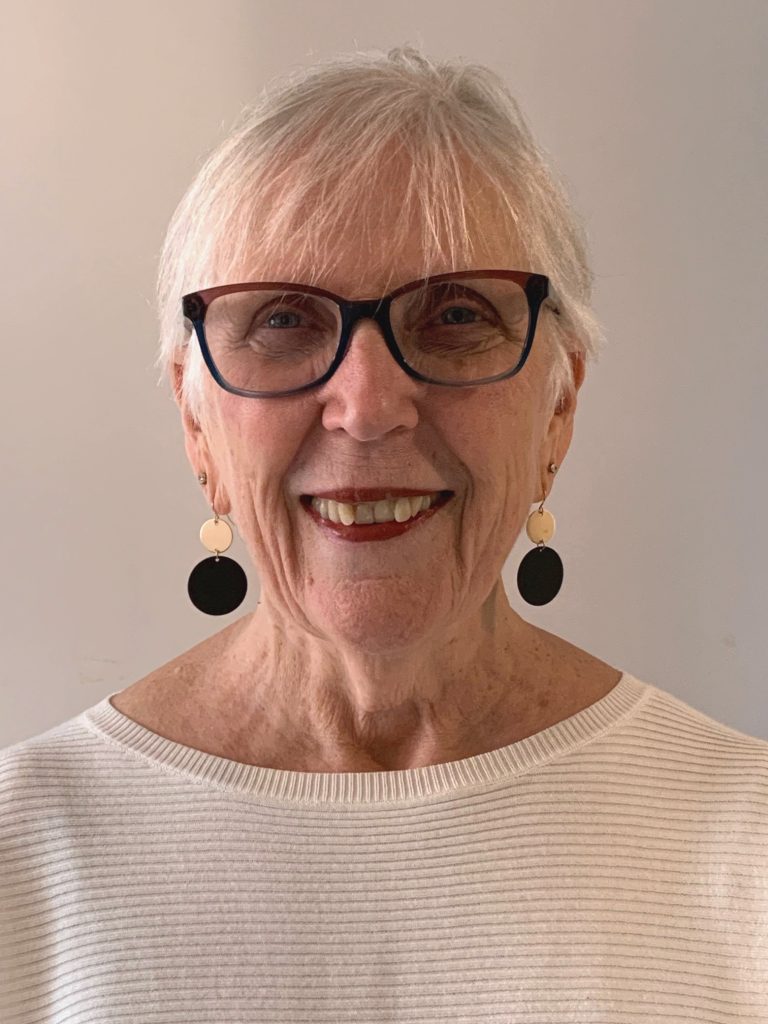
Suzanne O’Brien, former Executive Director and Chair of the Board of Hope & Cope, currently serves as Co-Chair of the McGill Council on Palliative Care. This past October, she attended the International Congress on Palliative Care held in Montreal. The event, which occurs every two years, attracted over 1,000 delegates from around the world.
While the congress addresses many aspects of palliative care, including medical, nursing, and community perspectives, Suzanne’s primary focus is on palliative care in the community. During the event, she moderated several workshops in this area.
The congress highlighted several key points:
1. The crucial need to establish programs that support caregivers within the community.
2. The necessity of health education in the community.
3. The differences between early-stage caregiving and later stages of illness.
Addressing caregiver burnout
Delegates from around the world shared concerns about the burnout of both professional and family caregivers. Although caring for caregivers is not a new concept, Suzanne says that there is greater emphasis on this topic today. Overburdened healthcare systems worldwide have made it more difficult for individuals to access medical help. This situation adds further stress on caregivers.
The workshops Suzanne moderated focused on providing support to caregivers—whether they are professional caregivers working in hospitals, family members, or volunteers assisting in homes. The main emphasis was on supporting caregivers in home settings and volunteers who offer respite to families.
The various speakers raised important questions: “When the patient is at home, no longer receiving hospital care, who addresses the burnout of family caregivers? How does a compassionate community help families become aware of and connect with helpful resources available in the community?”
Educating communities about palliative care
Suzanne says, “We need to educate laypersons on the meaning of palliative care, explain what advanced care planning means, and why they should start thinking about it long before they need it.”
Educating people about palliative care involves helping them understand that a referral to palliative care is not a death sentence. It means learning to live with illness with the supportive teamwork of doctors and the palliative care team, whether in the hospital or at home, to help you. It allows for the beginning of difficult discussions about how one wishes to be cared for as illness progresses.
At Hope & Cope, education can be approached through webinars and tailored workshops designed for specific groups, such as young adults or seniors.
“Creative ways can demystify talking about end-of-life care and even make it a conversation that can be fun,” Suzanne says. “You start with the frivolous and get to the profound.”
For example, in one group, a conversation began with the question, “If you could only play one song at your funeral, what would it be? Have you told anyone?” This led participants to share what they truly want for their end-of-life care. Another group geared toward young adults, called Kerry’s Kitchen, involved creating a sharing community through cooking.
Understanding that grief is not a cut and dry emotion is part of good palliative care. It’s possible to find creative methods to support particular groups of grieving individuals. One year, as part of the Council of Palliative Care, a workshop called “Inking Your Grief” allowed people who chose to tattoo their skin in memory of a loved one to talk about their loss and share their grief.
A growing trend around the world is the establishment of death cafes—non-threatening places where individuals can drop in and talk about their end-of-life concerns over a cup of coffee. It normalizes the conversation.
“When you open up the right conversation,” Suzanne says, “what may feel too frightening to talk about at first—such as palliative care, end-of-life care, or medical assistance in dying (MAID)—is facilitated and appreciated.”
The power of compassionate communities
Volunteers working in the community or private homes are a valuable asset in alleviating the burden of care for family caregivers. At Hope & Cope, volunteers in palliative care are trained by the McGill Council on Palliative Care through a course of six to eight sessions that cover everything from communication and ethics to bereavement and hands-on volunteer work in private homes.
The latter requires additional training on the ethics and responsibilities of volunteering in someone’s home, as well as how to physically assist a patient who is unable to perform daily tasks.
While there is a need for emotional support throughout the stages of caregiving, the later stages demand more physical involvement. Most people who come to caregiving groups at Hope & Cope are concerned with the early stages of caregiving. As the illness advances, needs change.
Suzanne says, “Though Hope & Cope is not a home-care organization, is there something we can do to help set up more support for our patients and their caregivers as things get more intense? Is there a capacity within Hope & Cope to increase caregiver support?
“There’s an opportunity for Hope & Cope to look at its programs and say, ‘Who are the people coming to us? How do we find creative ways that will promote conversation around planning for serious illness?’”
The International Congress on Palliative Care allows organizations like Hope & Cope to learn from around the world and ask, “What’s our contribution? Are we doing enough? Are we doing it well, and can we learn from others?”
“At each congress, there’s been more emphasis on the simplicity of kindness, the simplicity of care, and the need for compassionate care within a community,” concludes Suzanne. “Whether it’s bringing food to a neighbour or driving someone to a hospital, acts of kindness can contribute to easing the burden on both the patient and the caregiver.”


